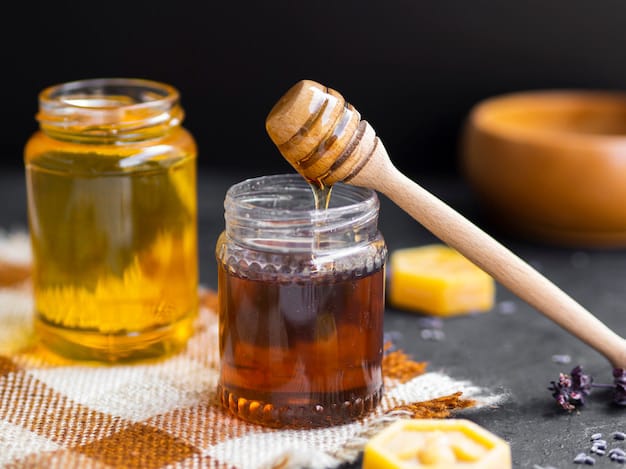


Honey Is Good for Health: Nature’s Most Delicious Medicine
January 2, 2026Honey Is Good for Health: Nature’s Most Delicious Medicine
January 2, 2026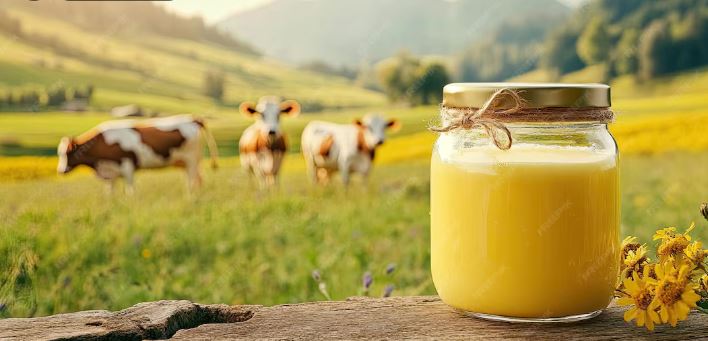
Desi Ghee Quality in Pakistan: What You Need to Know
Desi ghee has always held a special place in Pakistani kitchens. From parathas and halwas to tandoori rotis and qormas, its rich aroma and nutritional benefits make it a prized ingredient. But in recent years, questions about quality, authenticity, and purity have become more common as the market expands.
This guide explores what makes desi ghee “high-quality,” how the Pakistani market operates, and how consumers can make more informed choices.
1. Why Desi Ghee Matters in Pakistani Culture
Desi ghee is more than just a cooking medium — it’s an important part of:
✔ Traditional cuisine
✔ Tibb-e-Unani & Ayurvedic systems
✔ Festive sweets & desserts
✔ Everyday breakfast culture
Its growing popularity among health-conscious consumers has also revived interest in grass-fed cow ghee and organic ghee varieties.
2. What Defines High-Quality Desi Ghee?
Several factors contribute to genuine quality:
➤ A. Milk Source
Quality begins at the farm:
-
Cow vs. buffalo milk
-
Grass-fed vs. grain-fed
-
Antibiotic-free & hormone-free livestock
Cow ghee is typically lighter and more aromatic, while buffalo ghee has a stronger flavor and higher fat content.
➤ B. Production Method
Pakistan’s market offers 3 major types:
-
Traditional Churned (Bilona) Ghee
-
Butter is hand-whipped from yogurt
-
Slow-cooked to extract ghee
-
Superior flavor & nutrients
-
-
Cream-Based Ghee
-
Made directly from cream instead of yogurt
-
Industrially efficient but lighter in aroma
-
-
Commercial Clarified Butter
-
Often mixed with vegetable oils
-
Lacks authentic nutrition & fragrance
-
➤ C. Purity
Pure desi ghee contains no vegetable oils, margarine, flavors, or chemicals.
Fake or low-grade ghee may contain:
✖ Banaspati
✖ Palm oil
✖ Stabilizers
✖ Artificial aroma agents
✖ Colorants
3. Current Quality Issues in Pakistan’s Market
The growing demand has created challenges:
• Adulteration
Low-cost producers mix palm oil or banaspati to cut costs.
• Mislabeling
Products labeled as “pure” or “organic” without certification are common.
• Lack of Standardization
Pakistan currently lacks uniform regulatory testing for:
-
Fat profile
-
Aroma compounds
-
Contaminants
-
Shelf-life oxidation
• Storage & Supply Chain Issues
Exposure to heat and sunlight alters ghee’s nutritional composition.
4. How to Identify Real Desi Ghee
Consumers can use simple tests:
✔ Aroma Test: Real ghee smells rich and nutty, not artificial
✔ Texture Test: Solid at room temp in winter, semi-liquid in summer
✔ Melting Test: Melts evenly without residue
✔ Smoke Test: Has a high smoking point, good for frying
✔ Label & Ingredients: Should list milk fat only
If vegetable oil or “blended fats” appear—avoid it.
5. Health Benefits of Pure Desi Ghee
When authentic, desi ghee offers:
-
High levels of fat-soluble vitamins (A, D, E, K)
-
Butyrate for gut health
-
Anti-inflammatory benefits
-
Better digestion than seed oils
-
Strong immunity for children & elderly
It also serves as a natural energy source for athletes and active individuals.
6. The Rise of Artisanal & Farm-Based Ghee Brands
In cities like Lahore, Karachi, and Islamabad, new niche brands are emerging:
-
Small-scale dairy farms
-
Bilona churned ghee makers
-
Grass-fed / organic certified sellers
-
Subscription & monthly milk-ghee delivery services
Higher awareness among consumers is driving this shift.
7. The Future of Desi Ghee in Pakistan
The market is evolving and could improve significantly with:
✔ Farmer certification programs
✔ Government quality standards
✔ Cold-chain supply systems
✔ Proper labeling laws
✔ Modern packaging & traceability
With Pakistan’s rich dairy heritage, the potential for exports is strong—particularly in Middle Eastern and Western markets where desi ghee is gaining popularity.